Which drones need registration? Thai Drone Law Explained (2024)
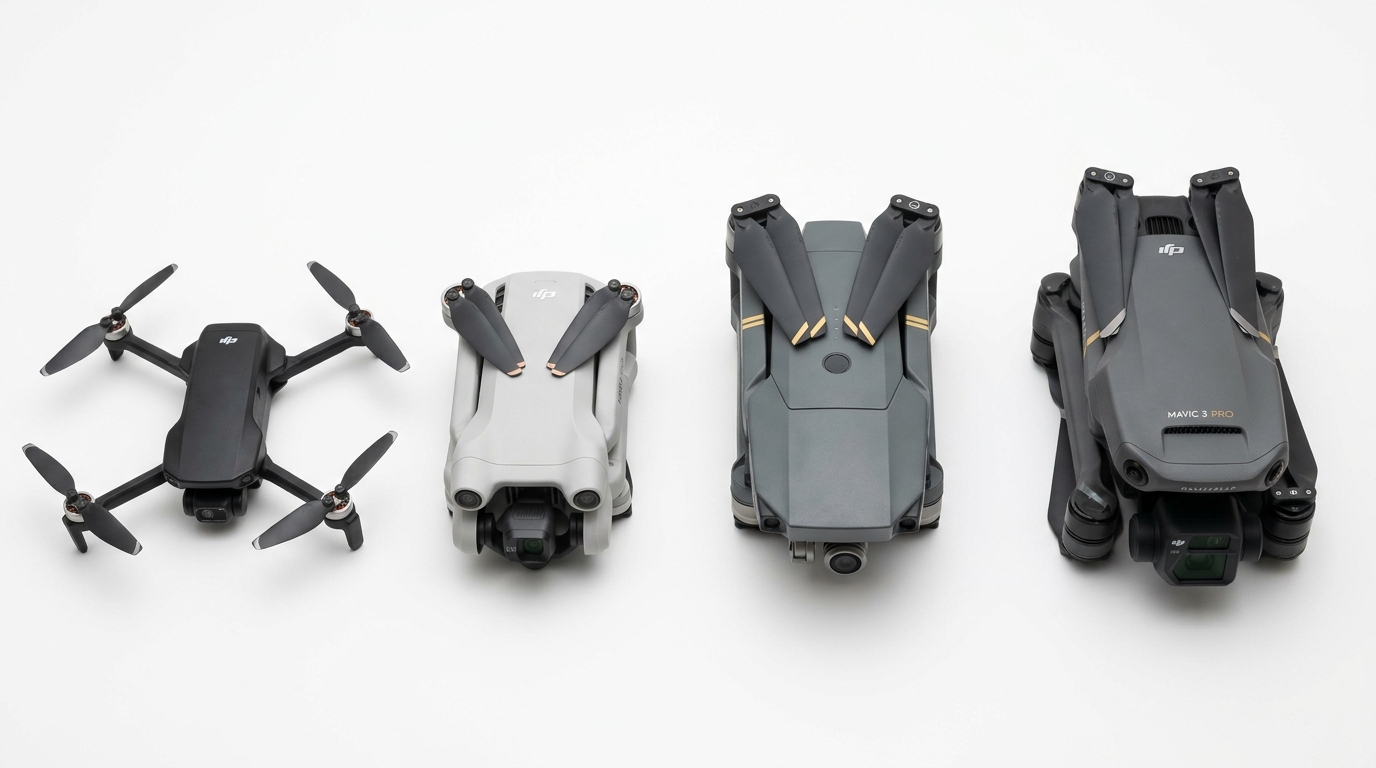
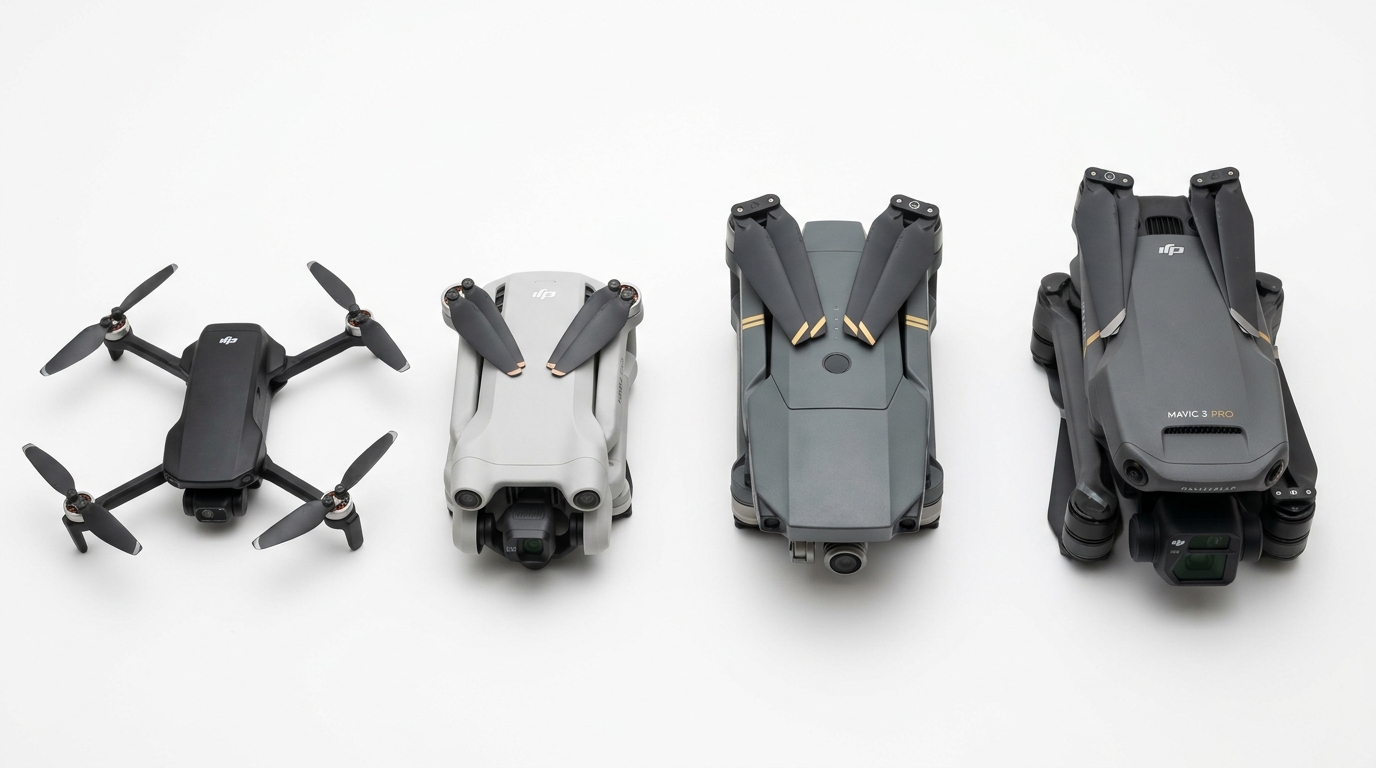
For those interested in or who recently bought a drone, the most popular question is "Does this drone need to be registered?" or "Do small, lightweight drones need registration?" Today, RRCT Drone Services summarizes Thailand's drone laws in a simple way, updated for 2024, so you can fly your drone with peace of mind.
Criteria: Which drones require registration?
According to Thai law, whether from the Civil Aviation Authority of Thailand (CAAT) or the National Broadcasting and Telecommunications Commission (NBTC), determining if a drone needs registration depends on 2 main factors: "Camera" and "Weight"
Drones that MUST be registered (Mandatory)
- Drones with a camera: Every drone equipped with a camera must be registered in all cases regardless of its weight (even DJI Neo or DJI Mini).
- Drones without a camera but weighing over 2 kg: Drones without a camera but weighing more than 2 kilograms must also be registered.
So, simply put: If your drone has a camera, you must register it 100%. There are absolutely no exceptions.
What kind of drones do NOT need registration?
Drones that do not need registration are Toy Drones that do not have a camera and weigh no more than 2 kg. If your drone fits this category, you can fly it (but you still need to fly safely and follow basic flight rules).
Don't want the hassle? Let RRCT handle everything in one place
Professional team handles NBTC + CAAT registration completely, with 3rd party insurance. DJI partner, starting at ฿1,299
Deep Dive into Popular DJI Models: Which need registration?
Since DJI drones are very popular in Thailand, let's see if the popular models require registration.
| Drone Model (DJI) | Approx. Weight | Has Camera? | Requires Registration? |
|---|---|---|---|
| DJI Neo | 135 g | ✅ Yes | Must register (NBTC + CAAT) |
| DJI Mini 4 Pro / Mini 3 | 249 g | ✅ Yes | Must register (NBTC + CAAT) |
| DJI Air 3 / Air 2S | ~720 g | ✅ Yes | Must register (NBTC + CAAT) |
| DJI Mavic 3 (Pro/Classic) | ~895-958 g | ✅ Yes | Must register (NBTC + CAAT) |
| DJI Avata 2 / Avata | ~377-410 g | ✅ Yes | Must register (NBTC + CAAT) |
| DJI FPV | ~795 g | ✅ Yes | Must register (NBTC + CAAT) |
From the table, all popular DJI models must be registered with both NBTC and CAAT because they all have cameras. Even the DJI Neo weighing only 135g or the DJI Mini 4 Pro designed to be under 249g (to avoid laws in some countries), under Thai law, if it has a camera, it must be registered immediately.
Basic Drone Flight Rules You Must Know (Even After Registration)
After registering your drone, it doesn't mean you can fly anywhere or anyhow. You must strictly follow flight rules for your safety and others.
1. Flight Altitude
Do not fly higher than 90 meters (or 300 feet) from the ground to prevent danger to other aircraft.
2. No Fly Zones
Strictly do not fly within 9 kilometers (5 nautical miles) of airports or aircraft take-off/landing areas. Also, do not fly over government facilities, military areas, hospitals, or royal residences unless you have written permission.
3. Flying in Populated Areas
Do not violate privacy or cause a nuisance. Do not fly over large crowds and keep a distance of at least 30 meters (horizontally) from people, buildings, or vehicles.
4. Flight Time
Fly only during daytime (from sunrise to sunset) and you must keep the drone in Visual Line of Sight at all times.
Conclusion
All drones with cameras, regardless of weight, must be registered with NBTC (within 30 days of purchase) and CAAT (requires 3rd party insurance). Violations can result in severe fines up to hundreds of thousands of baht.
Registration can seem complicated with many documents. RRCT handles registration for all DJI models for both NBTC and CAAT, and provides insurance. You can focus on taking beautiful photos and leave the paperwork to us.
Don't want the hassle? Let RRCT handle everything in one place
Professional team handles NBTC + CAAT registration completely, with 3rd party insurance. DJI partner, starting at ฿1,299