Commercial Drone Operations in Thailand 2026 – Licenses & Permits Required
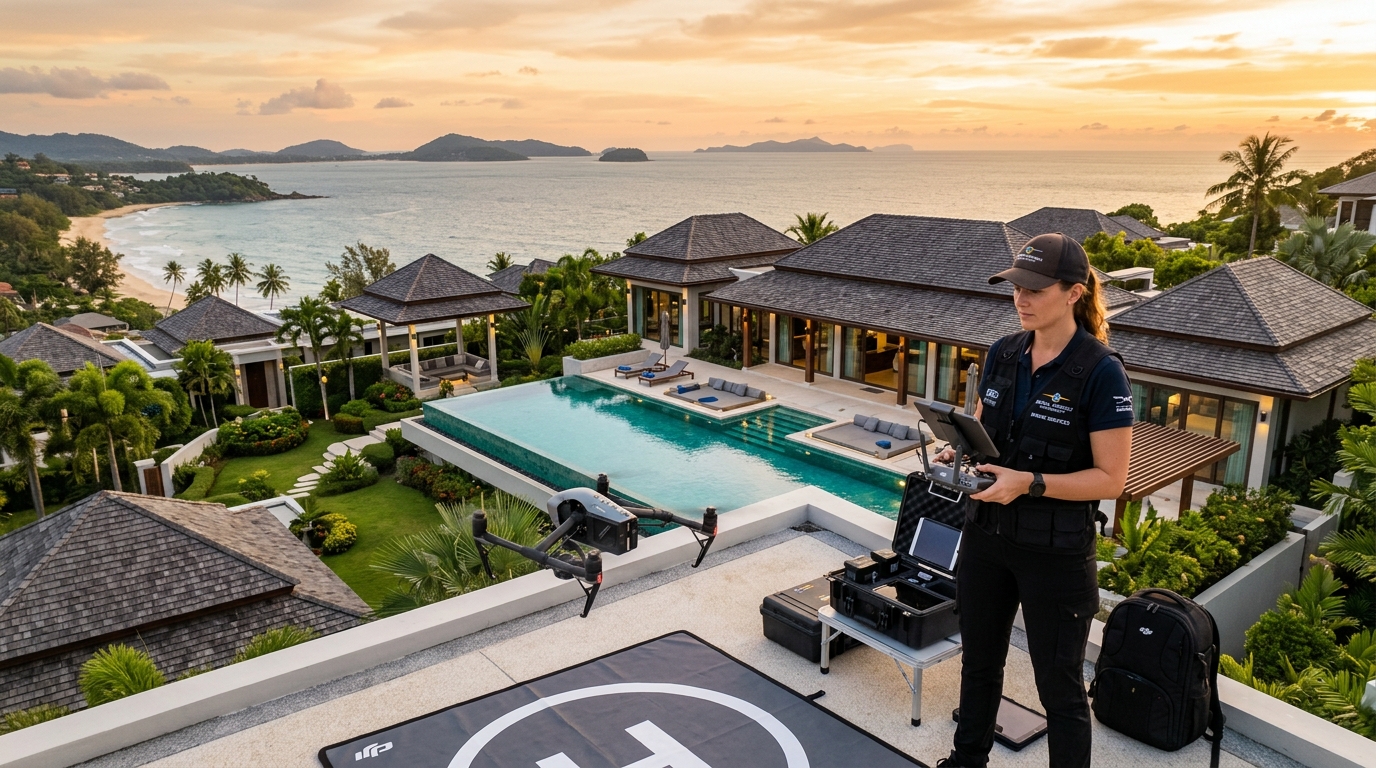
Today, drone usage goes beyond recreational flying and personal photography. Drones have become an essential tool for various businesses, from real estate photography and commercial advertising to surveying and agricultural drone applications. However, operating drones for commercial purposes in Thailand comes with strict legal requirements that differ significantly from personal use.
This article explains the definition of commercial flights, the permits you need, the application process, and how it differs from general use, fully updated for 2026 to ensure your business operations are smooth and 100% legal.
1. Definition of "Commercial" Drone Flying
According to the Civil Aviation Authority of Thailand (CAAT), commercial drone use means flying a drone for the purpose of earning compensation, generating income, or supporting business operations, whether directly or indirectly. Examples include:
- Paid photography for products, services, or events (e.g., weddings, concerts).
- Filming for movies, advertisements, or TV programs.
- Real Estate Photography to be used for selling or renting properties.
- Agricultural drones for spraying pesticides, fertilizers, or surveying crops.
- Drones for construction, topographic surveying, and mapping.
2. Additional Permits Required for Commercial Flights
If you want to fly a drone commercially, general registration is not enough. You need to apply for additional permits and prepare comprehensive documentation:
- CAAT UAS Operator Certificate: In addition to a personal pilot license, you may need to register as a drone operator, which involves risk assessment and an operational manual.
- Commercial 3rd Party Insurance: The law requires a minimum coverage of 1 million THB, but for commercial use with higher risks, a coverage of 5-10 million THB is recommended for business security.
- Area Permit: Commercial work often requires flying in restricted areas like communities, tourist spots, or government properties, which require written permission from the landowner or local authority.
Looking to use drones for business? Let RRCT help.
Applying for commercial permits can be complex. RRCT is ready to provide consultation and manage everything for you, starting at just 1,299 THB.
Get a free consultation via LINE3. Popular Commercial Drone Applications in Thailand (2026)
The commercial drone market in Thailand is growing rapidly. The most common industries include:
- Real Estate Photography: Highly sought after by brokers and developers to give buyers an aerial view of properties and surroundings.
- Tourism and Advertising: Creating promotional content for hotels, resorts, and tourist attractions.
- Agricultural Drones: Using drones to spray crops and fertilizers is becoming common, saving time and labor.
- Survey & Mapping: Used to monitor construction progress and create highly accurate 3D maps.
4. Comparison: Personal vs Commercial Use
| Item | Personal Use (Hobby) | Commercial Use |
|---|---|---|
| Purpose | Recreation, sports, personal photos | Paid work, business, income generation |
| NBTC Registration | Required | Required |
| CAAT License | Personal | Operator (may require flight plan) |
| Insurance | Minimum 1 Million THB | Recommended 5-10 Million THB+ |
5. Steps to Apply for a CAAT Commercial Permit
Step 1: Prepare Pilot License
You must have a valid personal drone pilot license before starting the commercial permit process.
Step 2: Obtain Commercial Insurance
Purchase 3rd party insurance that explicitly covers commercial use with coverage meeting or exceeding legal requirements.
Step 3: Apply via UAS Portal
Register and apply for an operator license through CAAT's UAS Portal, attaching company documents and insurance policy.
Step 4: Evaluation and Approval
Officials will review the documents and may request additional information about your business model and safety standards.
Step 5: Area Permission (Before Flying)
Whenever working in a special area, always seek advance permission from the landowner or local authority.
6. Penalties for Violations
Flying a drone commercially without proper permits or adequate insurance carries heavier penalties than personal flying. Punishments may include imprisonment for up to 1 year, a fine of up to 40,000 THB, or both, along with permanent revocation of licenses.
Don't risk breaking the law. Let professionals handle it.
RRCT offers comprehensive consultation and registration services for commercial drones, allowing you to focus fully on your business.
Get a free consultation via LINE